
How Do Airplanes Fly?
Have you ever looked up at an airplane and wondered, “How can something so big and heavy stay in the air?” It’s not magic—it’s science! Airplanes fly because of the way air moves around their wings and the clever design of the plane. Let’s break it down.
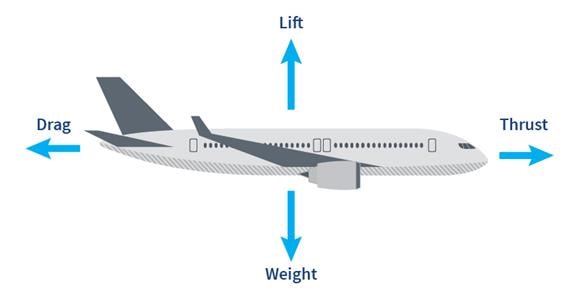
The Four Forces of Flight
There are four forces that help an airplane fly. Think of them as a team working together:
- Lift: This is the force that pushes the airplane up. It’s what makes it rise off the ground.
- Weight: This is the pull of gravity that tries to bring the airplane back down to Earth.
- Thrust: This is the forward push that moves the airplane ahead.
- Drag: This is the force that tries to slow the airplane down, like wind pushing against you when you run.
For an airplane to fly, lift has to be stronger than weight, and thrust has to be stronger than drag.
How Do Wings Create Lift?
The wings are the most important part of an airplane for flying. They’re shaped in a special way called an airfoil. An airfoil has a curved top and a flatter bottom. This shape helps create lift by using air pressure.
Here’s how it works:
- When the airplane moves forward, air hits the wings.
- The air on top of the wing moves faster because it has to travel farther over the curved surface.
- Faster air creates lower pressure.
- The air below the wing moves slower and creates higher pressure.
- This difference in pressure pushes the wing—and the airplane—up into the sky!
It’s like how squeezing a balloon can make it shoot upward—pressure does the pushing.
What About Thrust?
The airplane’s engines create thrust, which pushes the airplane forward.
- Jet engines: These suck in air, mix it with fuel, and blast it out the back to push the plane forward.
- Propellers: These spin to slice through the air and pull the airplane forward.
As the plane moves forward, air flows over the wings, and lift happens. Without thrust, there wouldn’t be enough airflow to create lift. (Gliders (also called sailplanes) use another plane to get it into the air. It then uses upward air currents to help keep it aloft.)
What Keeps the Plane Stable?
The airplane has a tail and special parts like rudders and flaps that help the pilot steer and keep the plane steady. It’s like the airplane’s steering wheel and brakes.
Why Doesn’t the Plane Fall?
As long as the engines are running and the wings keep creating lift, the plane can stay in the air. Pilots control the plane to make sure all the forces are balanced so it doesn’t fall or fly too fast.
Fun Fact: Birds Fly in a Similar Way!
Birds use their wings to create lift, just like airplanes do. When you see birds soaring, they’re using the same science that helps planes fly!
So, How Do Airplanes Fly?
Airplanes fly because of the forces of lift, weight, thrust, and drag. The special shape of the wings and powerful engines work together to make it happen. Next time you see an airplane, you’ll know the amazing science that keeps it soaring! ✈️